
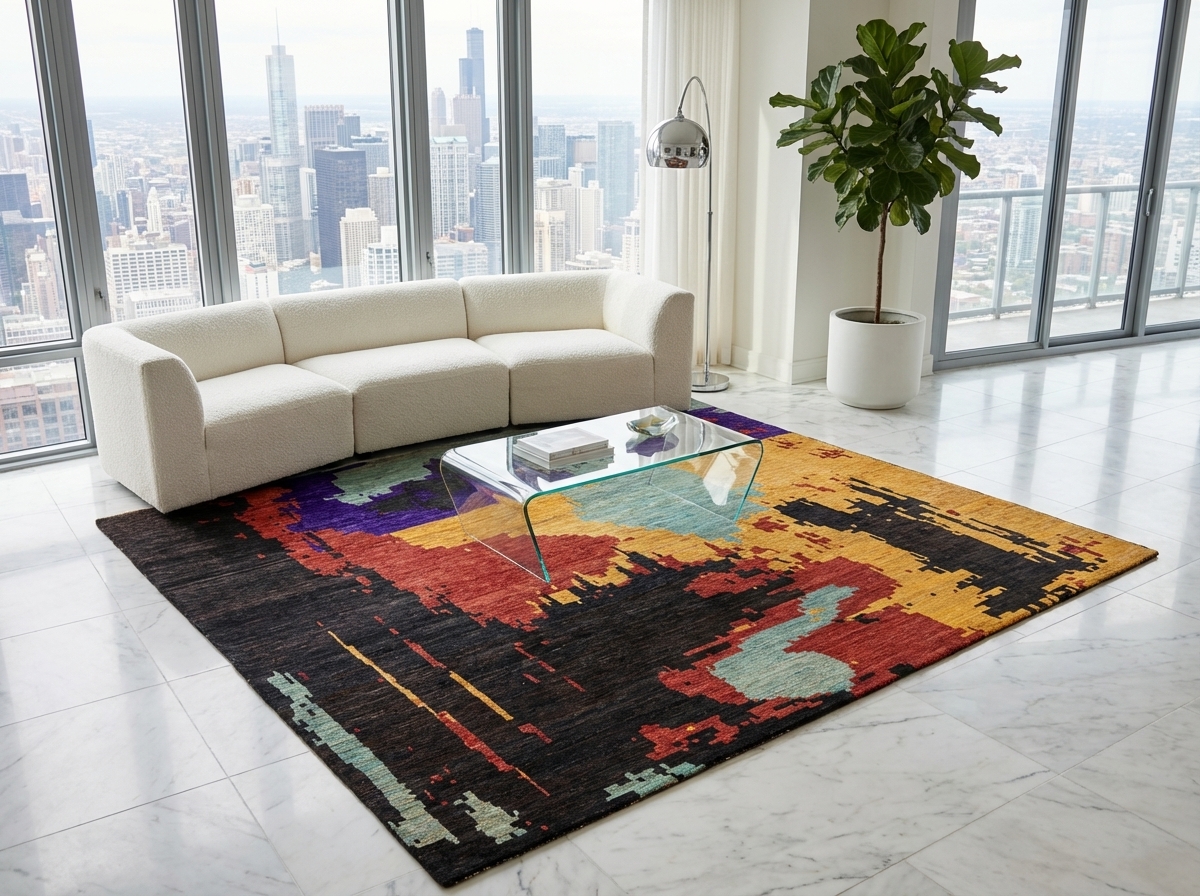
Shopping for a rug can feel overwhelming. Prices range from under $100 to several thousand – and at first glance, many rugs look similar online.
So what actually makes a rug “high quality”?
The answer isn’t just price or brand. It comes down to materials, construction, durability, and how the rug performs in real life.
This guide breaks it down in simple terms so you can confidently choose a rug that looks great – and lasts.
What Does “High Quality” Really Mean?
A high-quality rug isn’t just about appearance.
It should:
- Hold up to daily use
- Maintain its color and texture over time
- Feel good underfoot
- Fit your lifestyle (not just your aesthetic)
👉 In short: a quality rug looks better – and stays that way longer.
1. Material Matters More Than Anything
The material is the biggest factor in determining quality.
Natural Fibers (Higher Quality)
- Durable and resilient
- Naturally stain-resistant
- Soft and comfortable
- Can last 10–20+ years
- Lightweight and breathable
- Often used in flatweaves
- Easier to clean
- Textured, organic look
- Best for low-traffic areas
👉 Wool is widely considered the gold standard for durability and comfort.
Synthetic Fibers (Practical & Affordable)
- Stain-resistant
- Budget-friendly
- Great for high-traffic areas
- Soft and vibrant
- Good for color retention
👉 High-quality synthetic rugs can still perform well – especially in busy homes.
2. Construction: How the Rug Is Made
How a rug is constructed directly affects how long it will last.
Hand-Knotted (Highest Quality)
- Made knot by knot
- Extremely durable
- Can last decades
- Typically higher cost
Hand-Tufted
- Handmade but faster to produce
- Good balance of quality and price
- Softer feel
Machine-Made
- Most common
- Affordable and consistent
- Quality varies depending on materials
👉 Not all machine-made rugs are low quality—many are excellent for everyday use.
3. Density and Weight (The Hidden Quality Indicator)
A high-quality rug often has higher density, meaning:
- More fibers packed into the surface
- Better durability
- More substantial feel
How to tell:
- Heavier rugs often indicate better construction
- Dense rugs bounce back instead of flattening
👉 If a rug feels thin or flimsy, it may wear out faster.
4. Pile Height: Not Just About Looks
Pile height affects both comfort and performance.
Low Pile (Short fibers)
- Easier to clean
- Better for high-traffic areas
- More durable over time
High Pile (Shag)
- Softer and more plush
- Better for bedrooms or low-traffic spaces
- Can flatten with heavy use
👉 High quality isn’t about pile height – it’s about choosing the right pile for your lifestyle.
5. Color and Dye Quality
A high-quality rug maintains its color over time.
Look for:
- Even, consistent coloring
- Colors that don’t look overly shiny or artificial
- Materials known for color retention (like wool or polyester)
👉 Cheap rugs often fade quickly, especially in sunlight.
6. Backing and Structure
The back of a rug reveals a lot about its quality.
Signs of a good rug:
- Tight, well-constructed backing
- No loose threads or glue issues
- Structured feel (not flimsy or curling easily)
👉 A strong foundation = longer lifespan.
7. Durability in Real Life
A high-quality rug should match how you actually live.
Ask yourself:
- Do you have pets or kids?
- Is this a high-traffic area?
- Will spills happen often?
👉 The “best” rug is the one that performs well in your home – not just in a showroom.
8. Price vs Value: What You’re Really Paying For
Higher price doesn’t always mean better – but extremely cheap rugs often cut corners.
You’re paying for:
- Better materials
- Stronger construction
- Longer lifespan
- Better feel and appearance
👉 A slightly higher upfront cost can save money over time by avoiding replacements.
9. Signs a Rug Is Low Quality
Watch out for these red flags:
- Feels overly thin or lightweight
- Edges curl quickly
- Colors look overly shiny or fake
- Fibers shed excessively
- Backing feels weak or poorly made
10. How to Choose the Right High-Quality Rug for You
There’s no one-size-fits-all “best rug.”
Instead, match quality to your needs:
For busy homes:
- Durable synthetics or low-pile wool
For comfort-focused spaces:
- Plush or wool rugs
For design impact:
- Hand-tufted or textured rugs
For easy maintenance:
- Washable or stain-resistant options
Final Thoughts: Quality Is About Fit, Not Just Price
A high-quality rug isn’t just the most expensive one – it’s the one that:
- Holds up over time
- Fits your lifestyle
- Looks good in your space
- Continues to perform year after year
When you understand what to look for, buying a rug becomes much simpler – and much smarter.
About Rugs.comRugs.com is a one-stop online rug shop for all your floor covering needs. With over 100,000 rug designs, the extensive selection of indoor and outdoor rugs offers a wide variety of shapes, styles, and textures – perfect for every season of the year and season of life. With more than 60 years of experience in hand-knotted and machine-woven rugs, the family-owned and operated business believes that “Beneath Every Moment” – whether it is a baby’s first step, a first dance, or a cherished memory – there should be a beautiful rug. Helping shoppers find the perfect foundation for life’s moments, Rugs.com is making online shopping simple with the lowest possible prices, fast and free shipping every day, award-winning customer support, and a 30-day free return policy. Rugs.com ships millions of rugs nationwide from the company’s South Carolina and California warehouses. Learn more at www.rugs.com.