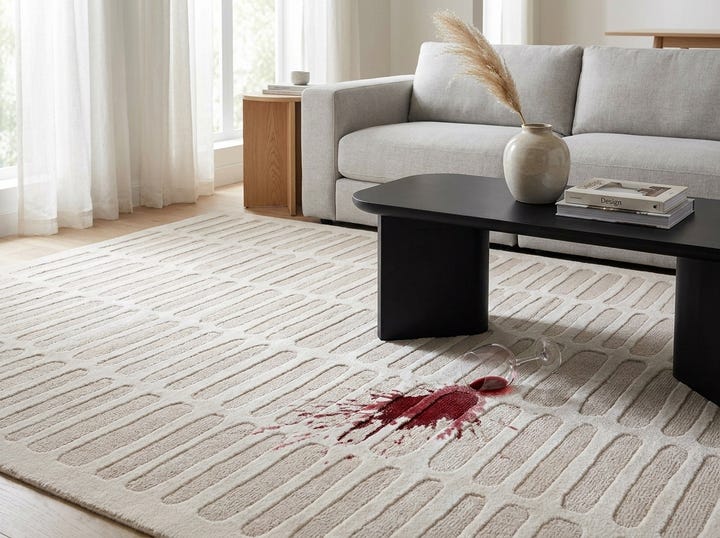
How to Remove Pet Stains from Rugs: A Complete Guide for Dog and Cat Owners
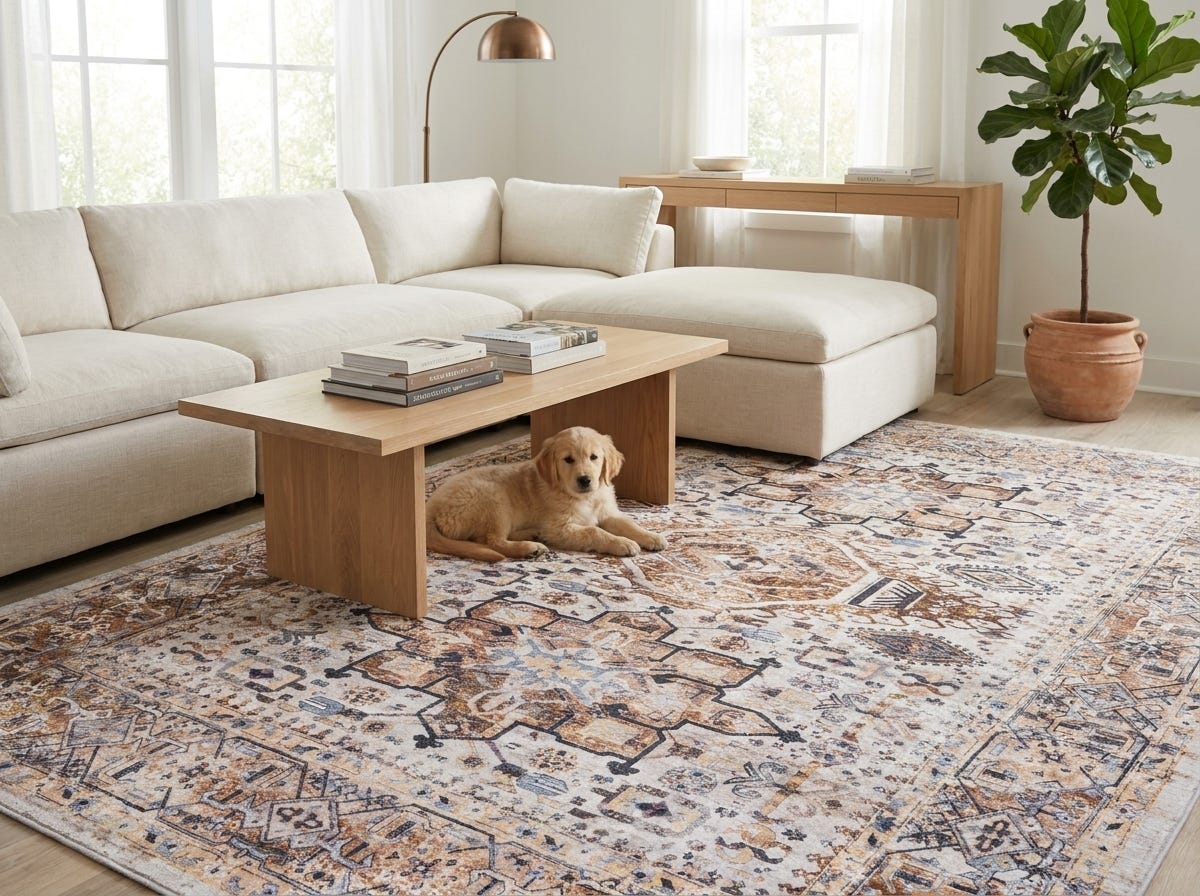
Pets bring joy, companionship, and plenty of memorable moments into our homes.
Unfortunately, they can also bring muddy paws, accidents, and stains.
Whether you’re potty training a new puppy, caring for an aging pet, or dealing with the occasional hairball, accidents happen. The good news is that most pet stains don’t have to become permanent – especially if you act quickly.
Here’s how to remove pet stains from rugs, eliminate lingering odors, and keep your rug looking its best.
Step One: Act Quickly
The sooner you clean a pet stain, the better.
Fresh stains are much easier to remove than ones that have had time to soak into the rug fibers and backing.
As soon as you notice an accident:
- Blot up as much liquid as possible using paper towels or a clean white cloth.
- Press firmly without rubbing.
- Replace the towel as it becomes saturated.
Avoid scrubbing the stain. Rubbing can push the stain deeper into the fibers and make it spread.
Identify the Type of Stain
Different messes require slightly different approaches.
Common pet-related stains include:
- Urine
- Vomit
- Muddy paw prints
- Food spills
- Drool
While the cleaning process is similar for most stains, urine requires extra attention because odors can linger even after the stain appears gone.
Cleaning Fresh Pet Urine
After blotting the area:
Mix a Gentle Cleaning Solution
Combine:
- 2 cups warm water
- A few drops of mild dish soap
Using a clean cloth, gently dab the stain.
Avoid soaking the rug. Excess moisture can penetrate the backing and be difficult to dry completely.
Once cleaned, blot again with clean water to remove any soap residue.
Don’t Forget the Odor
Sometimes the stain disappears – but the smell doesn’t.
Pets have an incredible sense of smell. Even if you can’t detect lingering odor, your dog or cat might.
That’s why it’s important to neutralize odors instead of simply masking them.
Enzyme-based pet cleaners are specifically designed to break down the proteins found in pet urine, helping eliminate odors rather than covering them up.
Always follow the manufacturer’s instructions and test any cleaner in an inconspicuous area first.
How to Clean Pet Vomit
For solid messes:
- Remove solids carefully using a spoon or dull edge.
- Blot the remaining moisture.
Then:
- Clean with a mild soap and water solution.
- Rinse with a damp cloth.
- Blot dry thoroughly.
Avoid harsh chemicals that could discolor delicate fibers.
Removing Muddy Paw Prints
Sometimes the easiest stains are the ones that look the worst.
Allow mud to dry completely before cleaning.
Once dry:
- Vacuum loose dirt.
- Gently blot any remaining marks with water and mild soap.
- Allow the area to dry completely.
Trying to clean wet mud often spreads it further into the rug.
What Not to Do
When cleaning pet stains, avoid these common mistakes.
Don’t Rub the Stain
Rubbing pushes stains deeper into the fibers and can damage the rug’s pile.
Always blot instead.
Don’t Use Hot Water
Hot water can set certain stains and make them more difficult to remove.
Lukewarm water is generally the safer choice.
Avoid Bleach
Bleach can:
- Damage fibers
- Fade colors
- Weaken the rug
Use cleaning products designed specifically for rugs, like the Rugs.com Everyday Cleaner, whenever possible.
Don’t Oversaturate the Rug
Using too much water can allow moisture to soak into the rug backing or pad.
This can lead to:
- Lingering odors
- Mold or mildew in damp environments
- Longer drying times
Different Rug Materials Require Different Care
Not all rugs respond the same way to cleaning.
Wool Rugs
Wool naturally resists many stains but should be cleaned gently.
Avoid aggressive scrubbing or overly alkaline cleaners.
Cotton Rugs
Cotton is generally easy to clean but may absorb moisture quickly.
Dry thoroughly after cleaning.
Synthetic Rugs
Polypropylene and polyester rugs are often among the easiest to maintain.
Many synthetic rugs are designed to handle everyday family and pet life.
When to Call a Professional
Some situations are best left to professional rug cleaners.
Consider professional cleaning if:
- The stain has dried and set.
- Odors persist despite cleaning.
- The accident reached the rug pad.
- The rug is handmade, antique, or especially valuable.
- Multiple accidents have occurred in the same area.
Professional cleaning can help remove deep-set contaminants while protecting delicate fibers.
How to Prevent Future Pet Stains
Accidents happen, but a few simple habits can help protect your rug.
Vacuum Regularly
Removing dirt and pet hair keeps rugs looking fresh and prevents debris from working into the fibers.
Clean Accidents Immediately
Fast action almost always leads to better results.
Rotate Your Rug
Rotating your rug every six to twelve months helps distribute wear more evenly, especially in homes with active pets.
Consider a Rug Pad
A quality rug pad helps:
- Protect flooring
- Add cushioning
- Reduce movement
- Provide an extra layer between accidents and your floors
Are Some Rugs Better for Pet Owners?
Yes.
If you share your home with dogs or cats, look for rugs that offer:
- Low-pile construction
- Durable synthetic fibers
- Patterned designs that help disguise minor wear
- Easy-to-clean materials
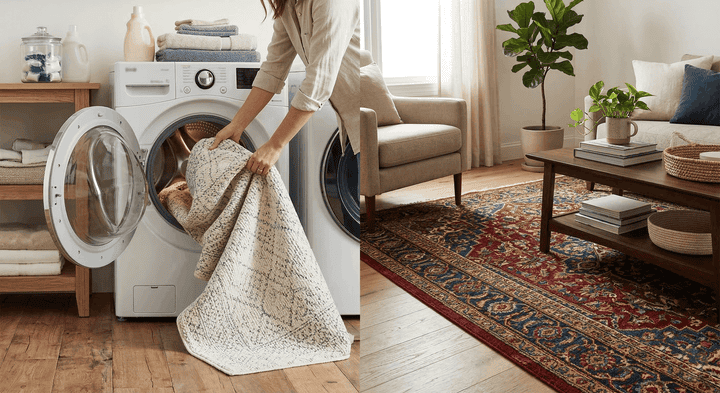
Washable rugs are also a popular option for households with pets.
Final Thoughts
Having pets doesn’t mean you have to sacrifice beautiful rugs.
With prompt cleaning, regular maintenance, and the right care techniques, most everyday pet stains can be managed before they become permanent.
The key is to act quickly, use gentle cleaning methods, and choose products designed for both your rug and your pets.
Because homes are meant to be lived in – and that includes the occasional muddy paw print or unexpected accident.
Quick Pet Stain Checklist
If your pet has an accident on your rug:
✔ Blot immediately – don’t rub.
✔ Use a gentle cleaning solution.
✔ Neutralize odors with an enzyme-based cleaner if needed.
✔ Allow the rug to dry completely.
✔ Seek professional cleaning for stubborn stains or valuable rugs.
With the right approach, your rug can stay beautiful through every stage of life with your four-legged family members.